
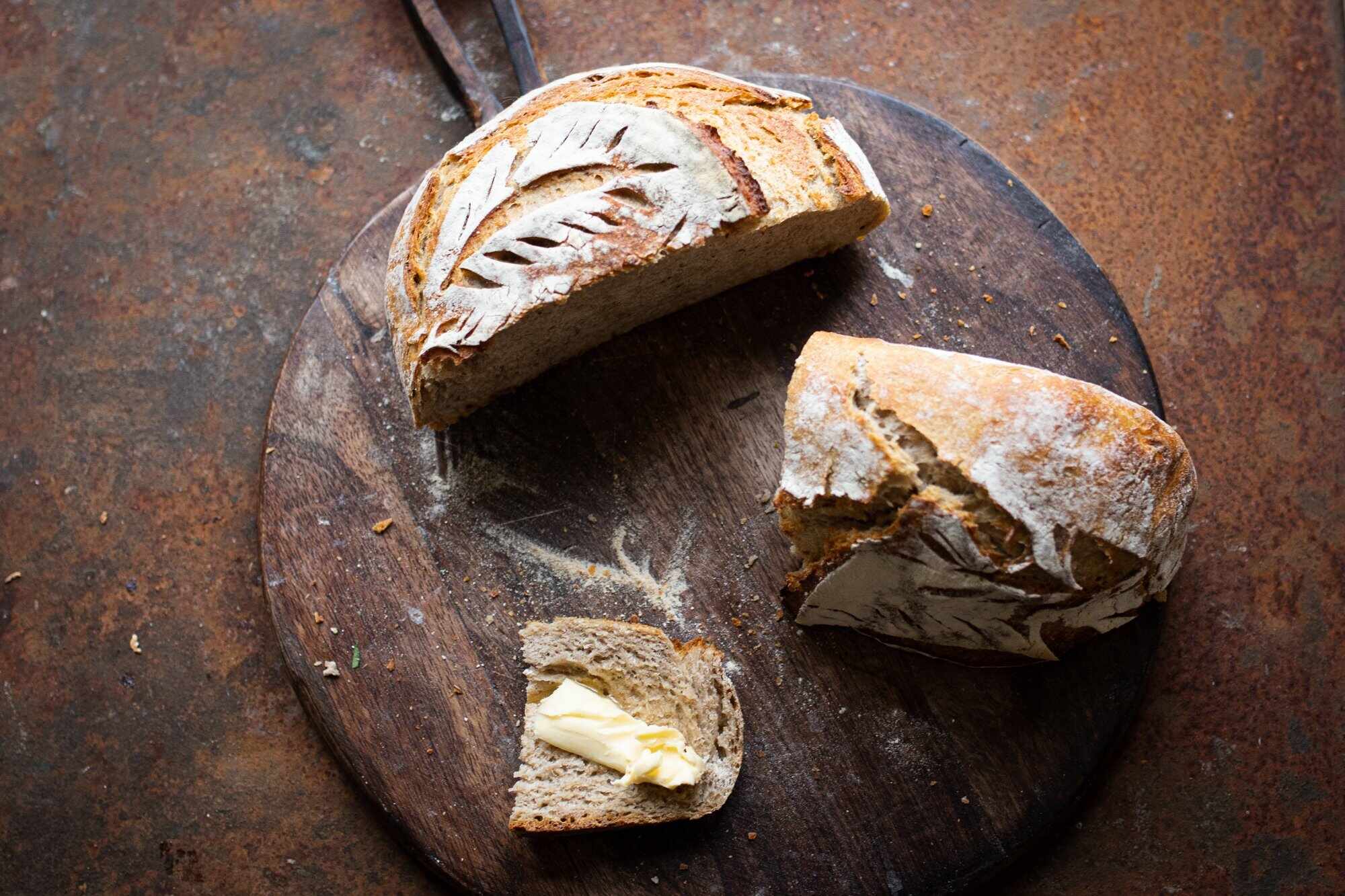
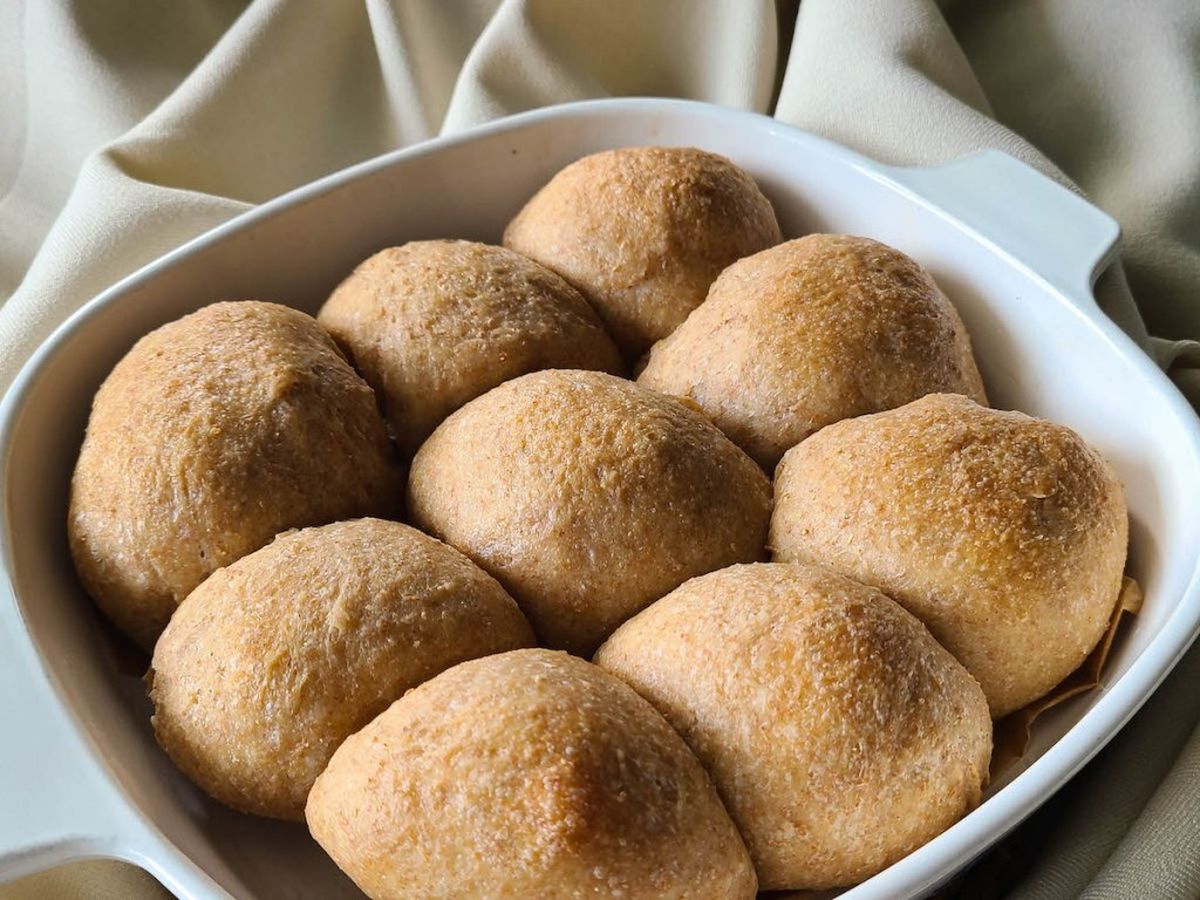
This yeasted buckwheat bread is a delightful blend of earthy buckwheat flour and versatile all-purpose flour. Perfect for those looking to add a unique twist to their homemade bread, this recipe yields a loaf with a slightly nutty flavor and a soft, tender crumb.
If you don't typically keep buckwheat flour in your pantry, you might need to make a trip to the supermarket. Buckwheat flour is a gluten-free flour made from ground buckwheat groats, and it adds a distinct flavor and texture to the bread. Look for it in the baking aisle or the health food section.
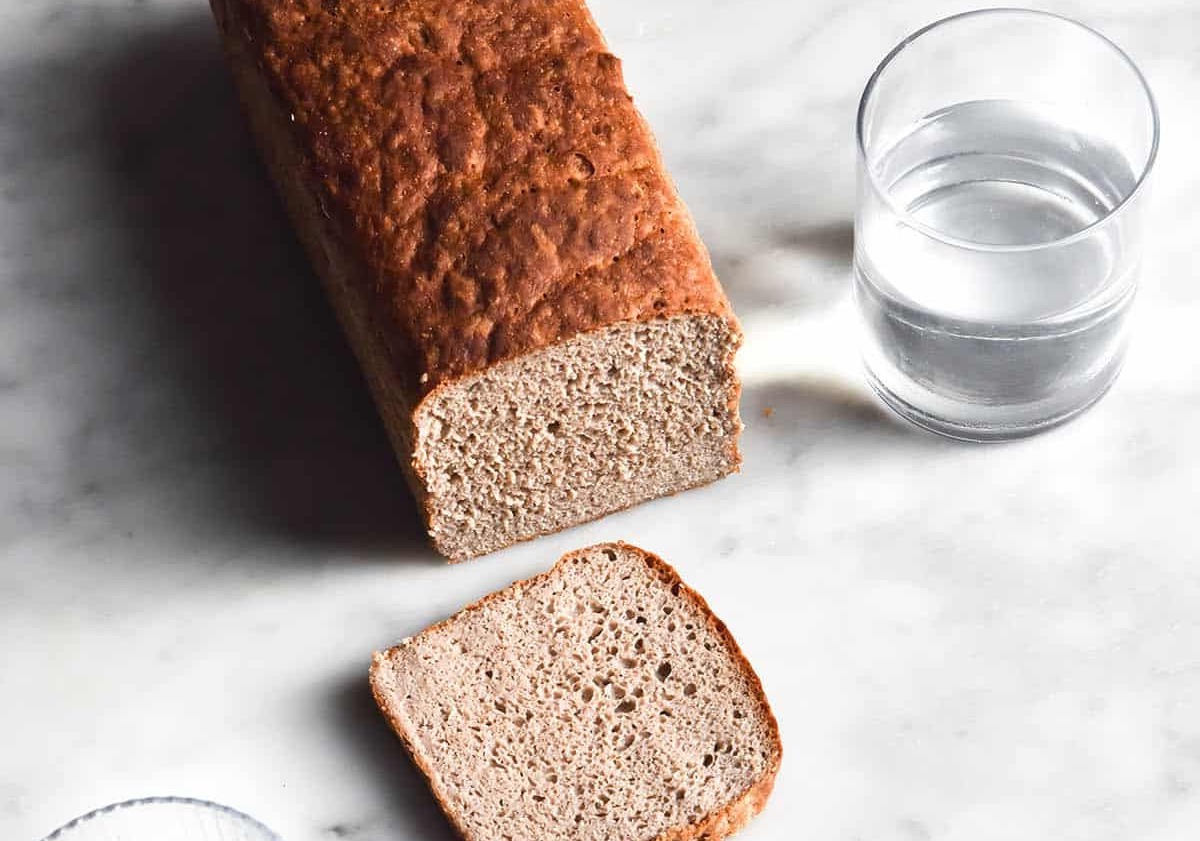
Ingredients for Yeasted Buckwheat Bread
Buckwheat flour: A gluten-free flour made from ground buckwheat groats, providing a nutty flavor and unique texture.
All-purpose flour: A versatile flour that helps give the bread structure and a tender crumb.
Active dry yeast: A leavening agent that helps the bread rise and become light and airy.
Warm water: Activates the yeast and helps form the dough.
Sugar: Feeds the yeast, aiding in the fermentation process.
Salt: Enhances the flavor of the bread and controls the yeast activity.
Technique Tip for Making Buckwheat Bread
When kneading the dough, use the heel of your hand to push it away from you, then fold it back over itself and give it a quarter turn. This technique helps develop the gluten in the all-purpose flour, giving your bread a better structure and texture. If the dough is too sticky, sprinkle a little more flour on your work surface, but be careful not to add too much, as it can make the bread dense.
Suggested Side Dishes
Alternative Ingredients
buckwheat flour - Substitute with quinoa flour: Quinoa flour has a similar nutty flavor and is also gluten-free, making it a good alternative for those with gluten sensitivities.
all-purpose flour - Substitute with whole wheat flour: Whole wheat flour adds a denser texture and a richer flavor, while still providing the necessary gluten for the bread to rise.
active dry yeast - Substitute with instant yeast: Instant yeast can be mixed directly with dry ingredients and does not need to be activated in water, making it a convenient alternative.
warm water - Substitute with milk: Milk can add a richer flavor and a softer texture to the bread, though it may slightly alter the rise and crumb.
sugar - Substitute with honey: Honey adds a natural sweetness and can help retain moisture in the bread, though it may slightly change the flavor profile.
salt - Substitute with sea salt: Sea salt can provide a more complex flavor due to its mineral content, enhancing the overall taste of the bread.
Alternative Recipes Similar to This Bread
How to Store or Freeze Your Bread
Allow the yeasted buckwheat bread to cool completely on a wire rack before storing. This prevents condensation from forming inside the storage container, which can make the bread soggy.
For short-term storage, place the bread in a bread box or wrap it in a clean kitchen towel. This will keep the crust crisp while maintaining the bread's moisture.
If you prefer to use plastic, wrap the bread tightly in plastic wrap or place it in a resealable plastic bag. This method is effective for keeping the bread soft but may soften the crust.
For longer storage, slice the bread before freezing. This allows you to take out only the number of slices you need, reducing waste.
Wrap each slice or the whole loaf in aluminum foil or plastic wrap, then place it in a freezer-safe bag. Squeeze out as much air as possible to prevent freezer burn.
Label the bag with the date to keep track of its freshness. The bread can be stored in the freezer for up to three months.
To thaw, remove the desired number of slices from the freezer and let them sit at room temperature for about 30 minutes. Alternatively, you can use a toaster or oven to warm the slices directly from the freezer.
If you have a whole loaf, let it thaw in the refrigerator overnight. Once thawed, you can refresh the crust by placing the loaf in a preheated oven at 350°F (175°C) for about 10 minutes.
Avoid storing the bread in the refrigerator, as this can cause it to dry out and become stale more quickly.
How to Reheat Leftovers
Oven: Preheat your oven to 350°F (175°C). Wrap the bread in aluminum foil to prevent it from drying out. Place it on the middle rack and heat for about 10-15 minutes. For a crispier crust, remove the foil for the last 2-3 minutes.
Toaster: Slice the bread and place it in a toaster. Toast on a medium setting until it reaches your desired level of crispiness. This method is quick and gives a nice crunch to the bread.
Microwave: Place a slice of bread on a microwave-safe plate. Cover it with a damp paper towel to keep it moist. Microwave on medium power for about 10-20 seconds. Be careful not to overheat, as this can make the bread chewy.
Stovetop: Heat a skillet over medium heat. Lightly butter both sides of the bread slice and place it in the skillet. Cook for about 2-3 minutes on each side until it’s warmed through and has a slight crisp.
Steamer: If you have a steamer, this method can keep the bread moist. Place the bread in the steamer basket, cover, and steam for about 5 minutes. This method is great for retaining the bread's soft texture.
Air Fryer: Preheat your air fryer to 320°F (160°C). Place the bread slices in the basket in a single layer. Heat for about 3-5 minutes, checking halfway through to ensure it doesn’t over-crisp.
Essential Tools for Making Buckwheat Bread
Mixing bowl: A large bowl used to combine the warm water, sugar, and yeast, as well as to mix in the flours and salt.
Measuring cups: Essential for accurately measuring the buckwheat flour, all-purpose flour, and warm water.
Measuring spoons: Used to measure the sugar and salt precisely.
Wooden spoon: Handy for stirring the ingredients together to form the dough.
Floured surface: A clean, flat area dusted with flour where you will knead the dough.
Loaf pan: A greased pan where the dough will be placed to rise and bake.
Kitchen towel: Used to cover the loaf pan while the dough rises.
Oven: Preheated to 375°F (190°C) for baking the bread.
Oven mitts: Protect your hands when placing the loaf pan in the oven and removing it after baking.
Cooling rack: Allows the bread to cool evenly after baking.
Knife: Used for slicing the bread once it has cooled.
How to Save Time on Making This Bread
Prepare ingredients in advance: Measure and set out all ingredients before starting to save time during the cooking process.
Use a stand mixer: A stand mixer can knead the dough for you, saving you the effort and time of doing it by hand.
Warm environment for rising: Place the dough in a slightly warm oven (turned off) to speed up the rising process.
Preheat the oven early: Start preheating your oven while the dough is rising to save time.
Use parchment paper: Line your loaf pan with parchment paper for easy removal and less cleanup.
Yeasted Buckwheat Bread
Ingredients
Main Ingredients
- 2 cups Buckwheat flour
- 1 cup All-purpose flour
- 1 packet Active dry yeast
- 1 cup Warm water
- 1 tablespoon Sugar
- 1 teaspoon Salt
Instructions
- 1. In a mixing bowl, combine warm water, sugar, and yeast. Let it sit for 5 minutes until frothy.
- 2. Add buckwheat flour, all-purpose flour, and salt to the yeast mixture. Stir until a dough forms.
- 3. Knead the dough on a floured surface for about 10 minutes until smooth.
- 4. Place the dough in a greased loaf pan. Cover and let it rise in a warm place for 30 minutes.
- 5. Preheat the oven to 375°F (190°C). Bake the bread for 40 minutes or until golden brown.
- 6. Remove from the oven and let it cool before slicing.
Nutritional Value
Keywords
More Amazing Recipes to Try 🙂
- Cardamom Currant and Cashew Bread Recipe1 Hours
- Chocolate Chip Bread Recipe1 Hours
- Sunflower Almond Wheat Bread Recipe55 Minutes
- Caraway Rye Bread Recipe50 Minutes
- Golden Crescent Rolls Recipe35 Minutes
- Lassy Bread Recipe50 Minutes
- Cinnamon Swirl Chocolate Chip Bread Recipe1 Hours 5 Minutes
- Bread Machine Bagels Recipe35 Minutes




Leave a Reply