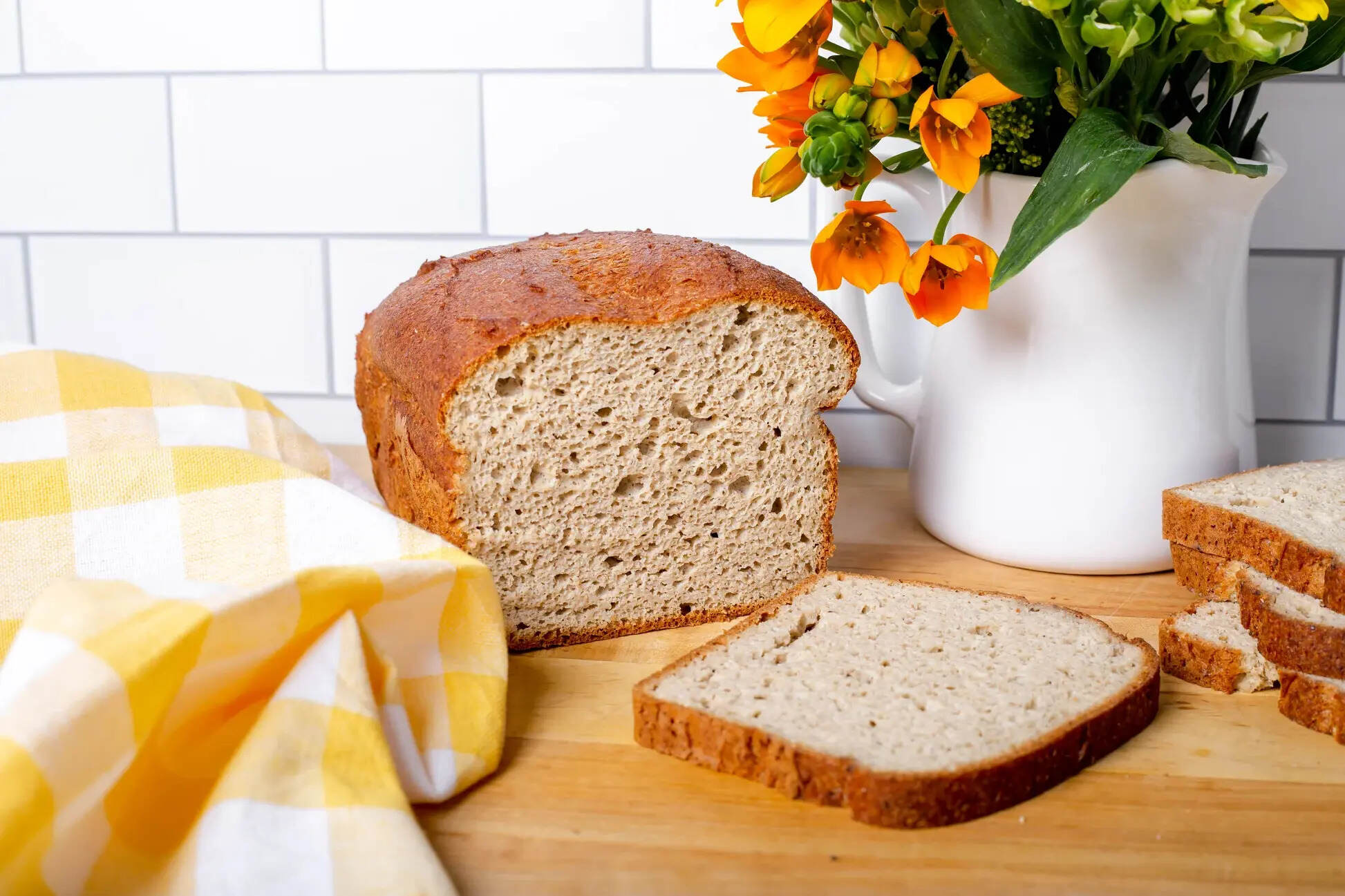
This colonial brown bread recipe is a delightful throwback to simpler times, offering a hearty and wholesome loaf that pairs perfectly with soups, stews, or simply a pat of butter. With its rich flavor from molasses and the unique texture from cornmeal, this bread is both nutritious and satisfying.
While most of the ingredients in this recipe are common pantry staples, you might need to pick up molasses and buttermilk if they are not regularly stocked in your kitchen. Molasses provides a deep, rich sweetness that is essential to the flavor of this bread, while buttermilk adds a slight tang and helps with the bread's texture.
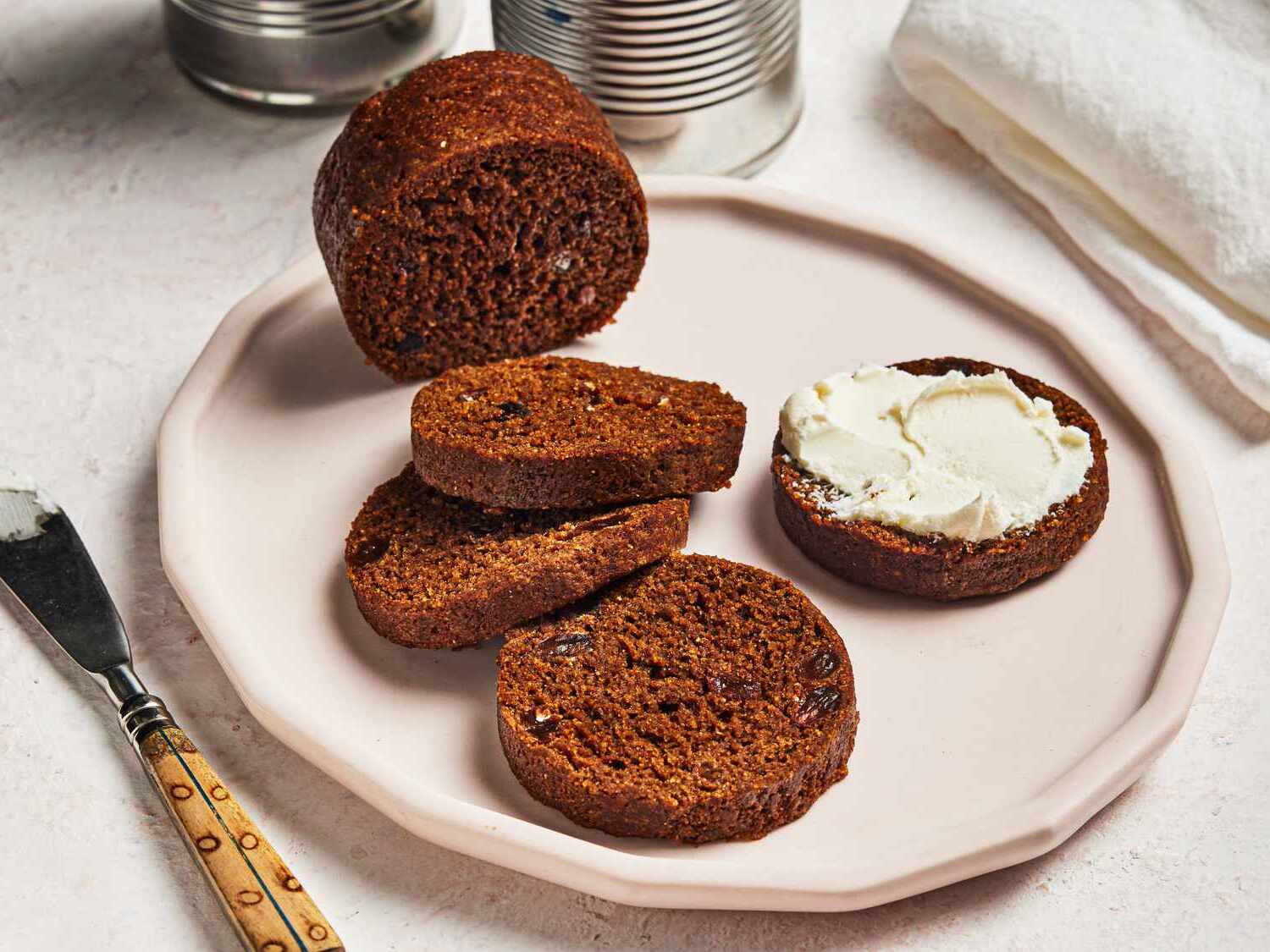
Ingredients For Colonial Brown Bread Recipe
Whole wheat flour: Provides the base for the bread, adding a nutty flavor and hearty texture.
Cornmeal: Adds a unique texture and slight sweetness to the bread.
Molasses: Gives the bread its rich, deep sweetness and dark color.
Buttermilk: Adds moisture and a slight tang to the bread, helping it rise and stay tender.
Baking soda: Acts as a leavening agent, helping the bread rise.
Salt: Enhances the flavors of the other ingredients.
Technique Tip for This Recipe
When mixing the molasses and buttermilk into the dry ingredients, ensure that you do not overmix the batter. Overmixing can lead to a denser texture in the final bread. Stir just until the ingredients are combined to maintain a light and tender crumb.
Suggested Side Dishes
Alternative Ingredients
whole wheat flour - Substitute with spelt flour: Spelt flour has a similar nutritional profile and texture, making it a good alternative for whole wheat flour.
whole wheat flour - Substitute with all-purpose flour: While it lacks the same nutritional benefits, all-purpose flour can be used in a pinch for a similar texture.
cornmeal - Substitute with polenta: Polenta is essentially a coarser grind of cornmeal and can be used interchangeably in most recipes.
cornmeal - Substitute with semolina: Semolina has a similar texture and can provide a slightly different but pleasant flavor.
molasses - Substitute with honey: Honey provides a similar sweetness and moisture, though it will impart a different flavor.
molasses - Substitute with maple syrup: Maple syrup offers a comparable sweetness and moisture content, with a distinct flavor profile.
buttermilk - Substitute with yogurt: Yogurt can mimic the tanginess and moisture of buttermilk, making it a suitable replacement.
buttermilk - Substitute with milk and vinegar: Mix 1 tablespoon of vinegar with enough milk to make 1 cup; let it sit for 5 minutes to curdle, mimicking buttermilk.
baking soda - Substitute with baking powder: Use 3 teaspoons of baking powder for every 1 teaspoon of baking soda, though this may slightly alter the texture.
salt - Substitute with sea salt: Sea salt can be used in the same quantity and will provide a similar flavor.
Other Alternative Recipes Similar to This
How to Store / Freeze This Recipe
Allow the Colonial Brown Bread to cool completely on a wire rack before storing. This helps prevent condensation, which can make the bread soggy.
Wrap the cooled bread tightly in plastic wrap or aluminum foil. This will help maintain its moisture and prevent it from drying out.
For short-term storage, place the wrapped bread in an airtight container or a resealable plastic bag. Store it at room temperature for up to 3 days.
If you want to keep the bread fresh for a longer period, consider refrigerating it. Place the wrapped bread in the refrigerator, where it can stay fresh for up to a week.
For freezing, wrap the bread in a layer of plastic wrap followed by a layer of aluminum foil. This double wrapping helps protect the bread from freezer burn.
Label the wrapped bread with the date before placing it in the freezer. This will help you keep track of its freshness.
Store the wrapped bread in the freezer for up to 3 months. When you're ready to enjoy it, thaw the bread at room temperature while still wrapped to retain its moisture.
For a quicker thawing method, you can slice the bread before freezing. This way, you can take out individual slices as needed and toast them directly from the freezer.
To refresh the bread after thawing, you can warm it in a preheated oven at 350°F (175°C) for about 10 minutes. This will help restore its original texture and flavor.
How to Reheat Leftovers
Preheat your oven to 300°F (150°C). Wrap the colonial brown bread in aluminum foil to prevent it from drying out. Place it on a baking sheet and heat for about 10-15 minutes, or until warmed through.
Slice the bread into individual pieces and place them on a microwave-safe plate. Cover with a damp paper towel to retain moisture. Microwave on medium power for 20-30 seconds per slice, checking frequently to avoid overcooking.
For a crispier texture, use a toaster oven. Set it to 300°F (150°C) and place the slices directly on the rack. Toast for 5-7 minutes, keeping an eye on them to ensure they don't burn.
If you have a steamer, you can use it to reheat the bread. Wrap the slices in parchment paper and place them in the steamer basket. Steam for about 5 minutes, or until the bread is warmed through and soft.
For a quick stovetop method, heat a non-stick skillet over medium-low heat. Place the slices in the skillet and cover with a lid. Heat for 2-3 minutes on each side, or until the bread is warmed through.
Best Tools for This Recipe
Oven: Used to bake the bread at a consistent temperature of 350°F (175°C).
Large mixing bowl: Used to combine the whole wheat flour, cornmeal, baking soda, and salt with the molasses and buttermilk.
Loaf pan: Used to hold the batter while it bakes into bread.
Measuring cups: Used to measure out the whole wheat flour, cornmeal, molasses, and buttermilk accurately.
Measuring spoons: Used to measure out the baking soda and salt accurately.
Whisk: Used to mix the dry ingredients together before adding the wet ingredients.
Spatula: Used to mix the batter until just combined and to scrape the batter into the loaf pan.
Toothpick: Used to check if the bread is fully baked by inserting it into the center and seeing if it comes out clean.
Wire rack: Used to cool the bread completely after it has been removed from the loaf pan.
Non-stick spray or butter: Used to grease the loaf pan to prevent the bread from sticking.
How to Save Time on Making This Recipe
Pre-measure ingredients: Measure out the whole wheat flour, cornmeal, baking soda, and salt ahead of time to streamline the mixing process.
Use a stand mixer: A stand mixer can quickly combine the molasses and buttermilk with the dry ingredients, saving you from manual mixing.
Prepare the loaf pan: Grease the loaf pan before you start mixing to save time later.
Batch baking: Double the recipe and bake two loaves at once. Freeze one for later use.
Colonial Brown Bread
Ingredients
Main Ingredients
- 2 cups whole wheat flour
- 1 cup cornmeal
- 1 cup molasses
- 2 cups buttermilk
- 1 teaspoon baking soda
- 1 teaspoon salt
Instructions
- Preheat your oven to 350°F (175°C).
- In a large mixing bowl, combine the whole wheat flour, cornmeal, baking soda, and salt.
- Add the molasses and buttermilk to the dry ingredients and mix until just combined.
- Pour the batter into a greased loaf pan.
- Bake for about 60 minutes, or until a toothpick inserted into the center comes out clean.
- Let the bread cool in the pan for 10 minutes, then transfer to a wire rack to cool completely.
Nutritional Value
Keywords
More Amazing Recipes to Try 🙂
- Cardamom Currant and Cashew Bread Recipe1 Hours
- Chocolate Chip Bread Recipe1 Hours
- Sunflower Almond Wheat Bread Recipe55 Minutes
- Caraway Rye Bread Recipe50 Minutes
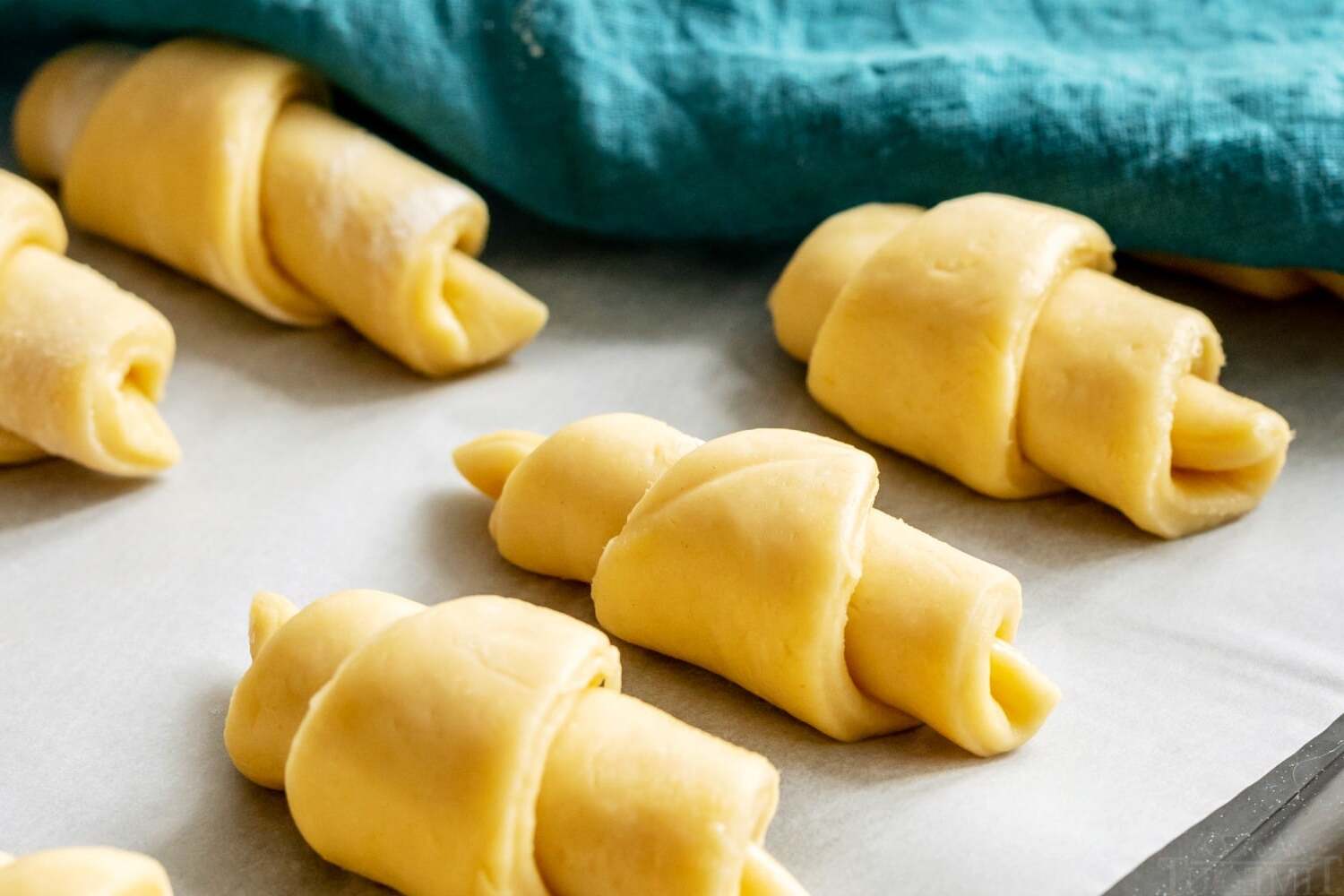
- Golden Crescent Rolls Recipe35 Minutes
- Lassy Bread Recipe50 Minutes
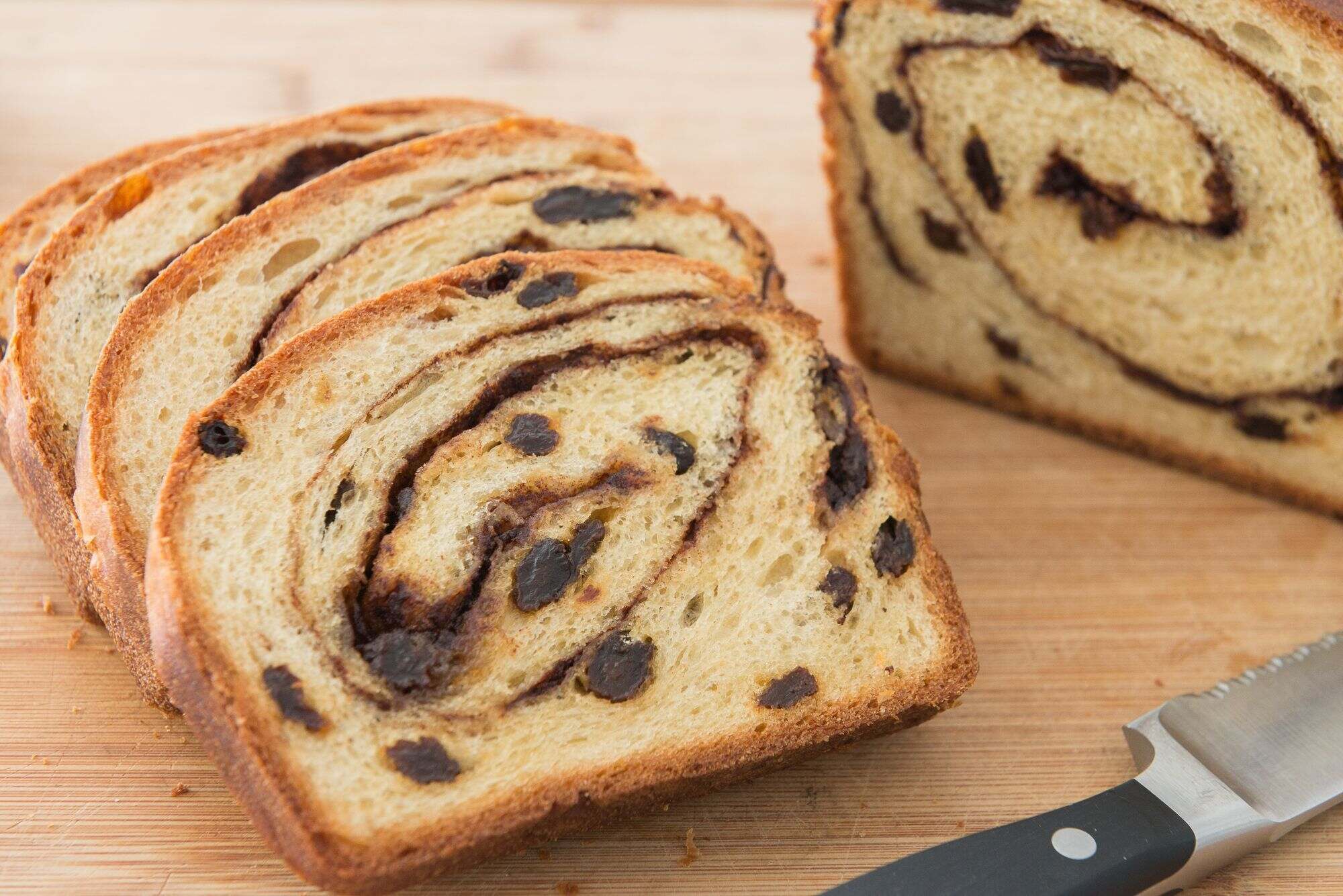
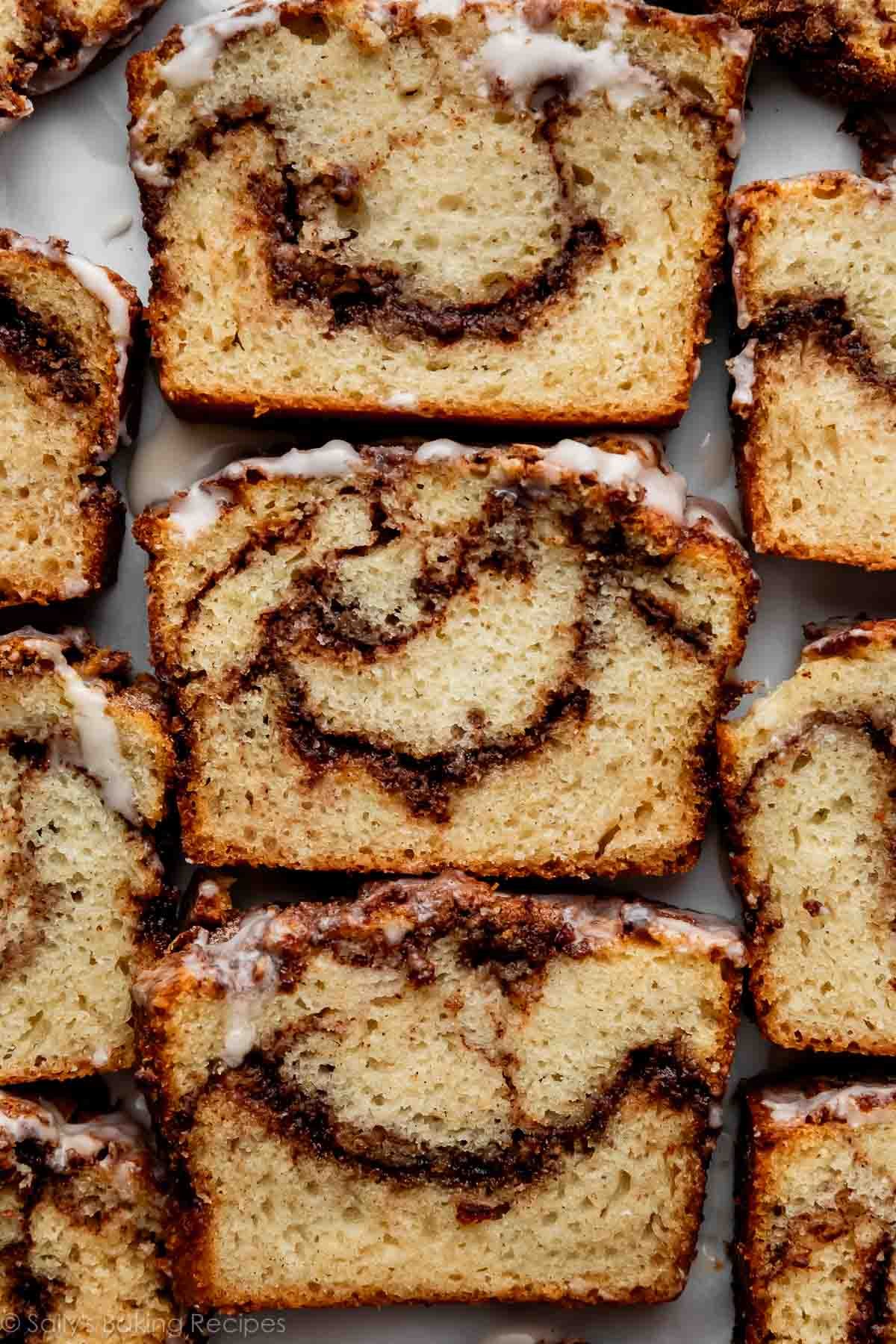
- Cinnamon Swirl Chocolate Chip Bread Recipe1 Hours 5 Minutes
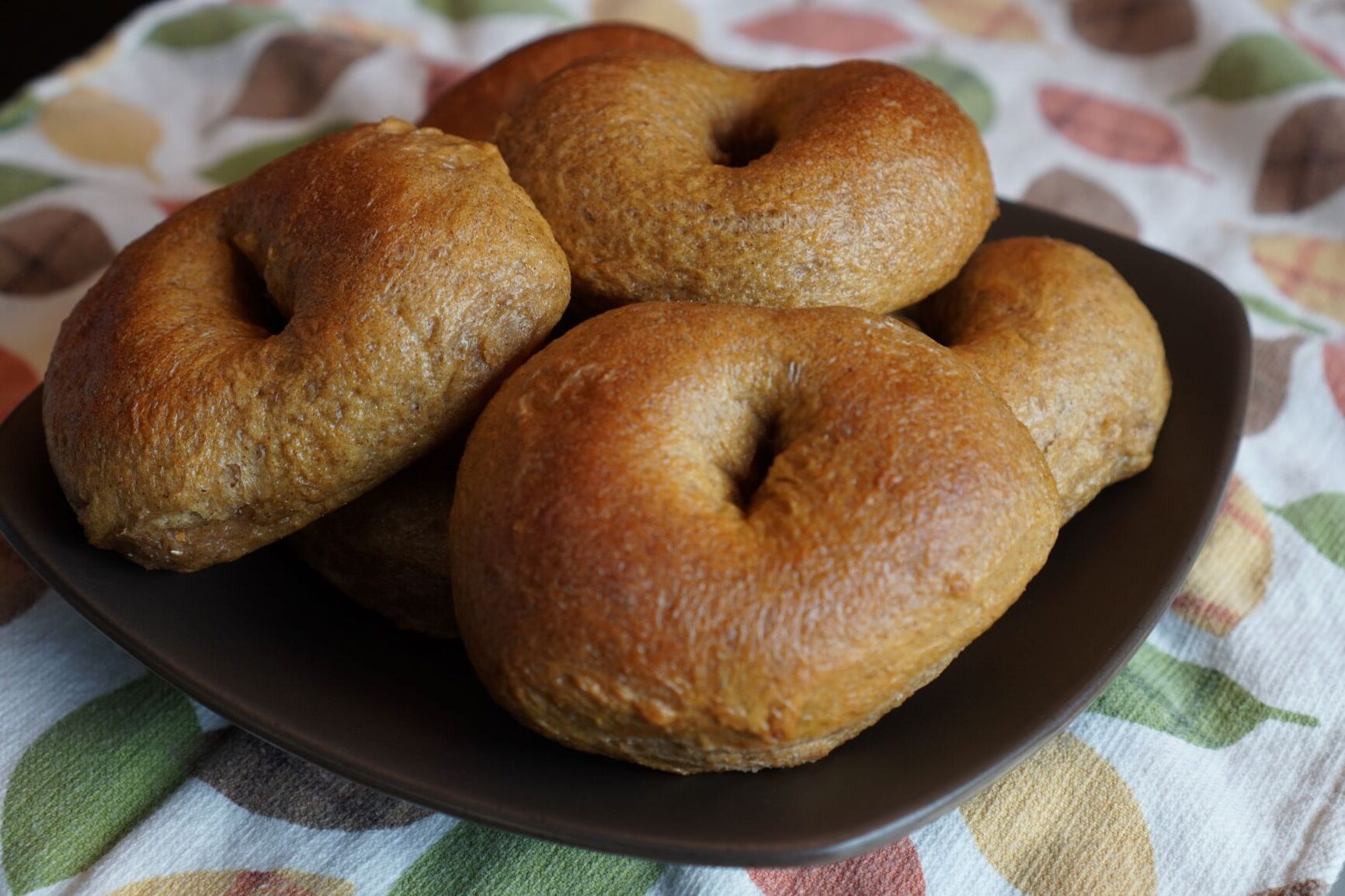
- Bread Machine Bagels Recipe35 Minutes

Leave a Reply