
Creating your own self-rising flour at home is a simple and cost-effective way to ensure you always have this versatile ingredient on hand. Whether you're baking biscuits, cakes, or other delicious treats, this homemade version will save you a trip to the store and give you control over the ingredients you use.
The ingredients for this self-rising flour recipe are quite common and likely already in your pantry. However, if you don't have baking powder or salt, you'll need to pick these up at the supermarket. Baking powder is a leavening agent that helps baked goods rise, while salt enhances flavor.
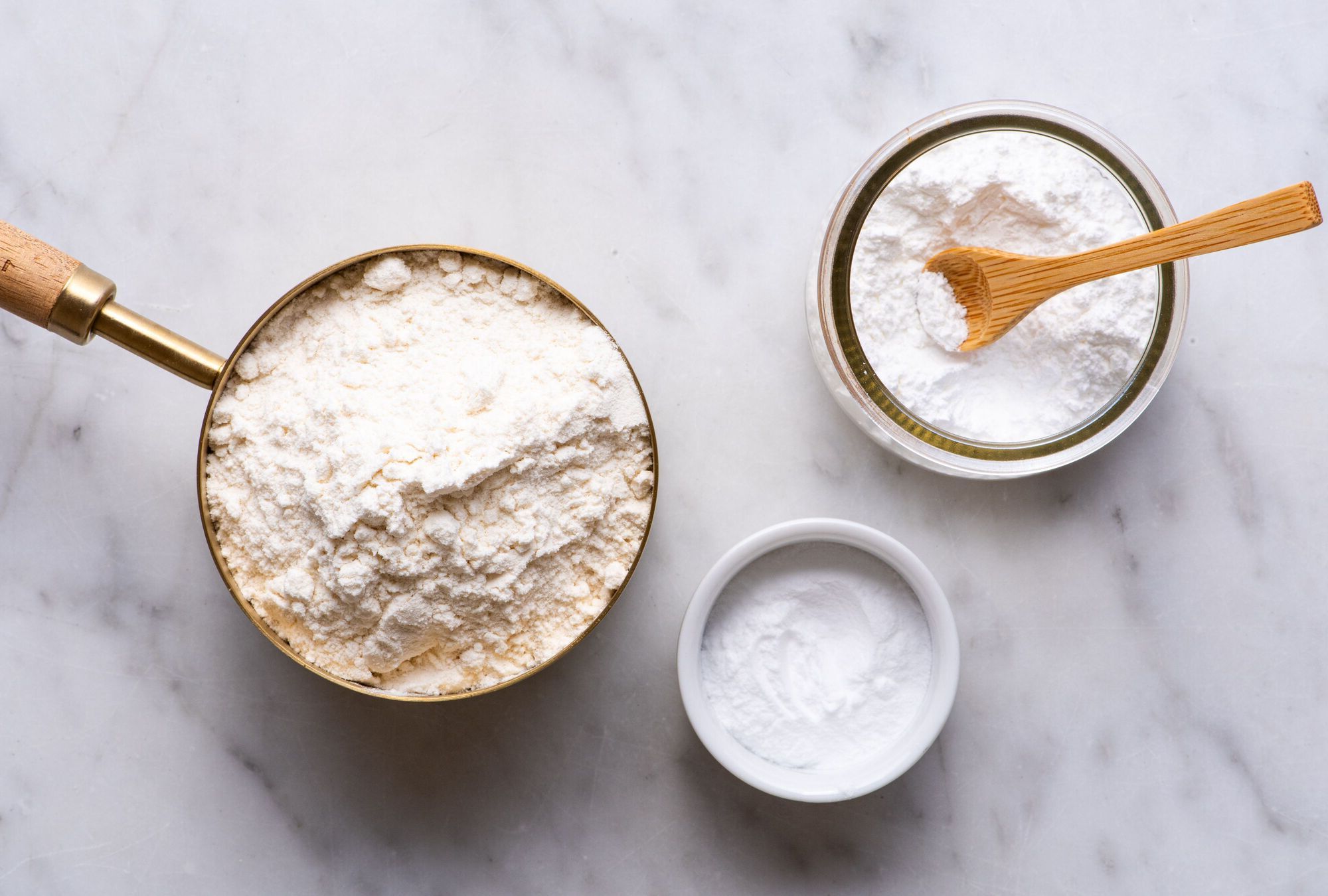
Ingredients for Self-Rising Flour Recipe
All-purpose flour: The base of the self-rising flour, providing structure to your baked goods.
Baking powder: A leavening agent that helps your baked goods rise and become fluffy.
Salt: Enhances the flavor of your baked goods and balances the sweetness.
Technique Tip for This Recipe
When measuring all-purpose flour, use the spoon-and-level method to ensure accuracy. Spoon the flour into the measuring cup and level it off with a straight edge. This prevents the flour from being too packed, which can affect the texture of your self-rising flour.
Suggested Side Dishes
Alternative Ingredients
all-purpose flour - Substitute with whole wheat flour: Whole wheat flour can be used for a more nutritious option, though it may result in a denser texture.
all-purpose flour - Substitute with gluten-free flour blend: For those with gluten intolerance, a gluten-free flour blend can be used, but it may require additional binding agents.
baking powder - Substitute with baking soda and cream of tartar: Use ¼ teaspoon baking soda and ½ teaspoon cream of tartar to replace 1 teaspoon of baking powder.
baking powder - Substitute with self-rising flour: If you have self-rising flour, you can use it directly and omit the baking powder and salt.
salt - Substitute with kosher salt: Kosher salt can be used in the same amount, but it may have a slightly different texture.
salt - Substitute with sea salt: Sea salt can be used for a more natural flavor, though it may have larger crystals.
Other Alternative Recipes Similar to This
How to Store or Freeze This Recipe
- Ensure your self-rising flour is stored in an airtight container to maintain its freshness and potency. A glass jar with a tight-fitting lid or a high-quality plastic container works best.
- Keep the container in a cool, dry place, away from direct sunlight and moisture. A pantry or a kitchen cabinet is ideal.
- If you live in a humid climate, consider adding a food-grade desiccant packet to the container to absorb excess moisture and prevent clumping.
- Label the container with the date you made the self-rising flour. This helps you keep track of its freshness, as it’s best used within six months.
- For longer storage, you can freeze the self-rising flour. Place it in a freezer-safe, airtight container or a heavy-duty freezer bag.
- When freezing, ensure to remove as much air as possible from the container or bag to prevent freezer burn.
- Thaw the self-rising flour at room temperature before using it in your recipes. Give it a good whisk to re-incorporate any settled ingredients.
- Avoid storing self-rising flour near strong-smelling foods like onions or garlic, as it can absorb odors.
- Always use a clean, dry spoon or scoop when measuring out your self-rising flour to prevent contamination and moisture introduction.
How to Reheat Leftovers
Preheat your oven to 350°F (175°C). Spread the self-rising flour mixture evenly on a baking sheet. Bake for about 5-7 minutes, stirring occasionally, until it is warm and slightly toasty. This method helps to refresh the flour and enhance its flavor.
If you prefer using a microwave, place the self-rising flour mixture in a microwave-safe bowl. Cover it with a damp paper towel to prevent it from drying out. Microwave on medium power for 1-2 minutes, stirring halfway through. This method is quick and retains the flour's moisture.
For a stovetop method, heat a non-stick skillet over medium heat. Add the self-rising flour mixture and stir continuously with a wooden spoon for about 3-5 minutes. This method allows you to control the heat and avoid any burning, ensuring the flour is evenly reheated.
If you have a steamer, place the self-rising flour mixture in a heatproof bowl and cover it with aluminum foil. Steam for about 5 minutes. This gentle method helps maintain the flour's texture and moisture.
For a more unconventional method, use a sous-vide machine. Seal the self-rising flour mixture in a vacuum-sealed bag and immerse it in a water bath set to 140°F (60°C) for about 10 minutes. This method ensures even heating and preserves the flour's quality.
Best Tools for This Recipe
Mixing bowl: A large container used to combine the flour, baking powder, and salt.
Whisk: A utensil used to blend the ingredients together until they are well combined.
Measuring cups: Tools used to measure the exact amount of flour needed for the recipe.
Measuring spoons: Tools used to measure the precise amounts of baking powder and salt.
Airtight container: A storage container used to keep the self-rising flour fresh if not used immediately.
How to Save Time on Making This Recipe
Pre-measure ingredients: Measure out flour, baking powder, and salt in advance and store them in small containers.
Batch preparation: Make a large batch of self-rising flour and store it in an airtight container for future use.
Label containers: Clearly label your storage containers with the contents and date to avoid confusion.
Use a whisk: Whisking the ingredients together ensures they are well combined quickly.
Airtight storage: Store your self-rising flour in an airtight container to keep it fresh and ready to use.
Self-Rising Flour Recipe
Ingredients
Main Ingredients
- 1 cup all-purpose flour
- 1 ½ teaspoons baking powder
- ¼ teaspoon salt
Instructions
- 1. In a mixing bowl, combine the flour, baking powder, and salt.
- 2. Whisk together until well combined.
- 3. Use immediately or store in an airtight container.
Nutritional Value
Keywords
More Amazing Recipes to Try 🙂
- Cardamom Currant and Cashew Bread Recipe1 Hours
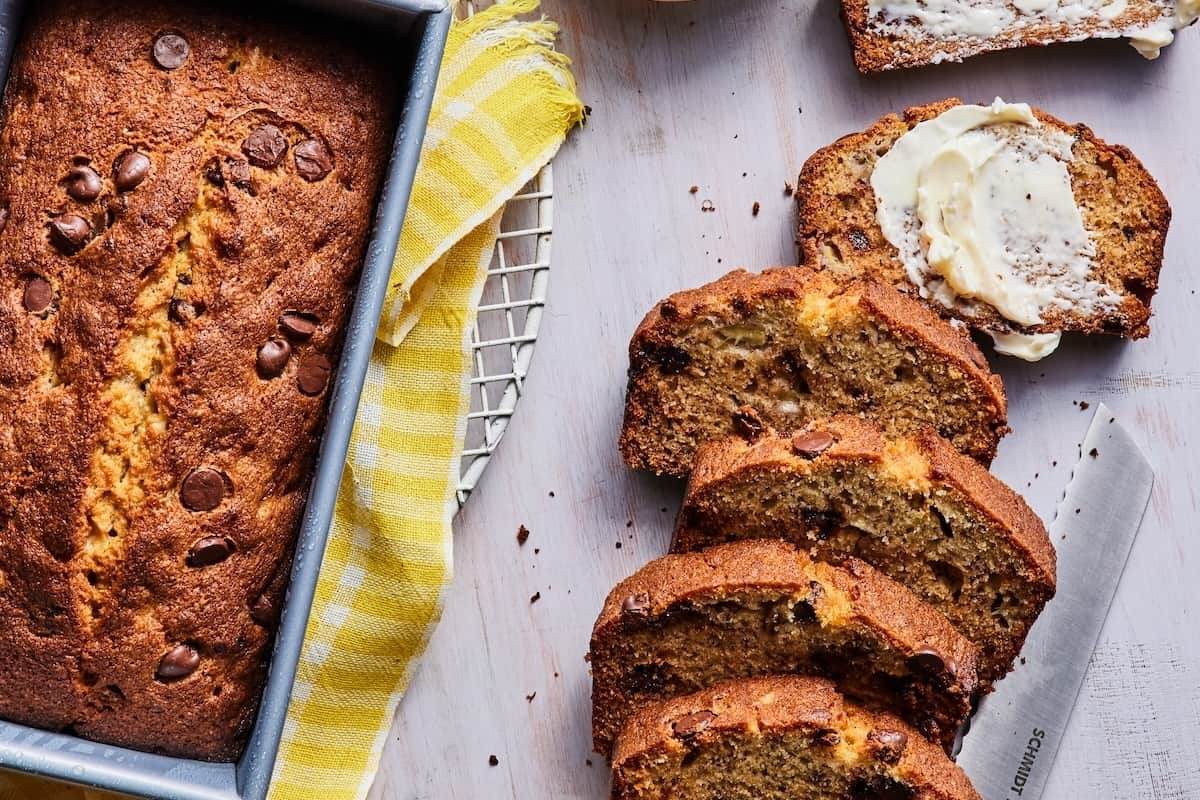
- Chocolate Chip Bread Recipe1 Hours
- Sunflower Almond Wheat Bread Recipe55 Minutes
- Caraway Rye Bread Recipe50 Minutes
- Golden Crescent Rolls Recipe35 Minutes
- Lassy Bread Recipe50 Minutes
- Cinnamon Swirl Chocolate Chip Bread Recipe1 Hours 5 Minutes
- Bread Machine Bagels Recipe35 Minutes





Leave a Reply